 ZebraZones

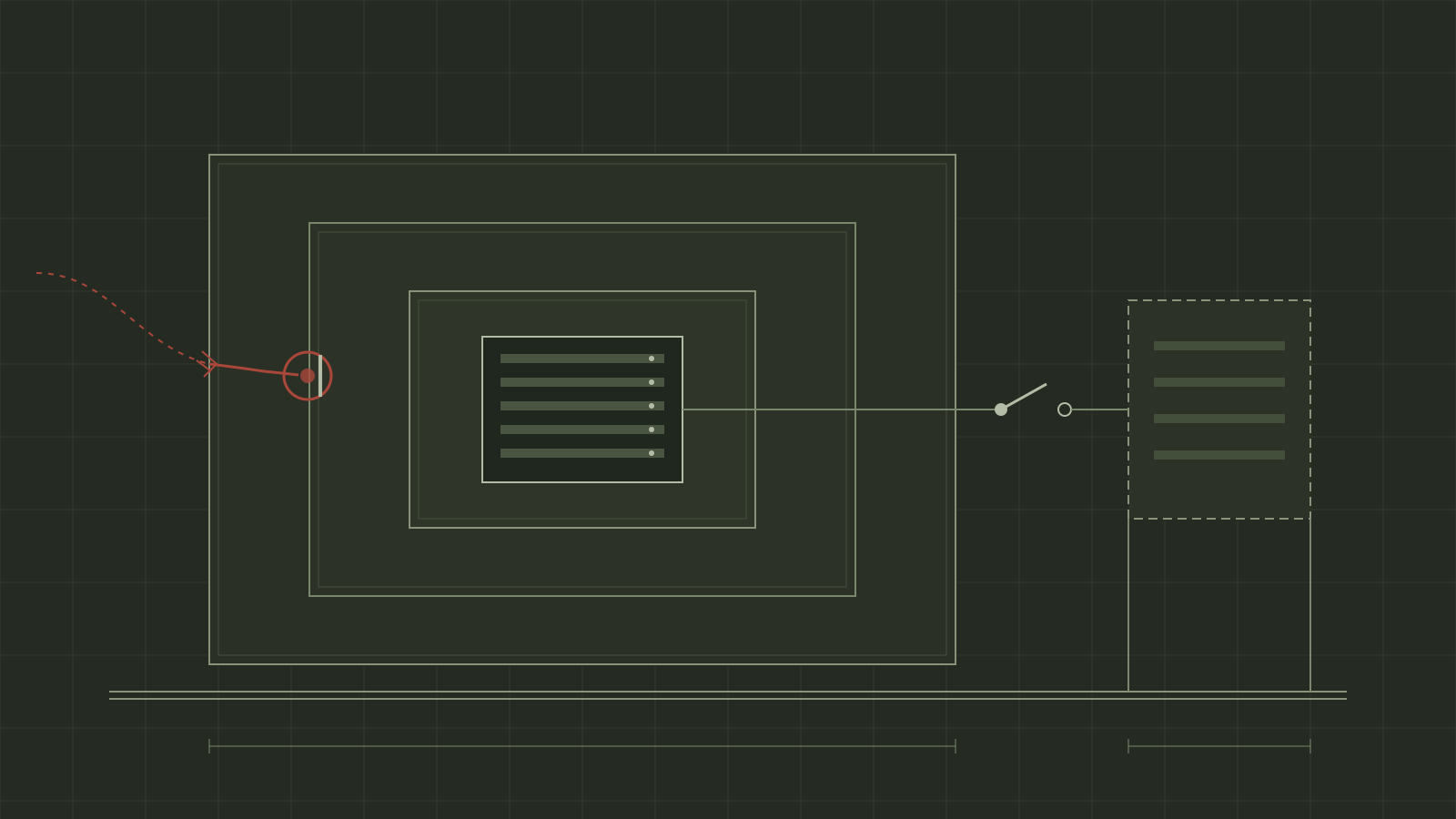
Three categories of hackers
In this article, I will explain the three categories of hackers that you should expect to encounter in the age of AI agents, and how to defend your enterprise systems against them.
Category 1: the regular cybercriminal
The regular cybercriminal uses AI to efficiently find security vulnerabilities that are already public, and to spot externally detectable entry points into company systems. Then they further use AI agents to customize everything for a concrete attack on your systems.
This category of attack requires no advanced technical skills, and it is quickly becoming the absolute baseline of security.
How to defend against the cybercriminal
How can you defend yourself against it? You need a review of your entire security architecture, especially every system visible from the outside.
Then your IT service providers and IT vendors need a concrete checklist of items to fix. You also need continuous support to match your systems against new vulnerabilities as they become public.
Category 2: the zero-day attacker
This more technically advanced hacker guides an AI to actively find completely novel vulnerabilities in your system. That means the attacker is the first person to ever encounter them.
That sounds impossible to defend against. Nobody can patch a flaw before they know about it. So what will keep you safe?
A layered architecture
It is crucial to adopt a layered architecture around important systems such as payment processing, customer data and logistics. If the attacker breaks through one layer with a novel attack, there are still multiple remaining layers that stop them.
To adopt this defense successfully, it is important to identify all parts of your system that need this level of protection, and to ensure that the layers are truly independent of each other.
Category 3: the autonomous attacker
The autonomous attacker simply defines the goal to hack your organization, and their AI agents work on that task until it is completed.
As of right now, we have seen AI agents escape the testing environments of every frontier lab. So we know that this attack is possible. A concrete use by cybercriminals has not yet been reported, but it is just a question of time as AI agents become more and more capable.
Since recording: on 21 October 2026, CrowdStrike documented four threat actors that used autonomous AI agents in real intrusions between May and August 2026. Criminal use of autonomous attackers has now been reported.
Defensive AI agents
How do you defend yourself against it? Human reaction time is too slow. You need defensive AI agents inside your system to react, and it's important to give them the right level of autonomy and permissions.
You don't want agents inside your system that can change everything in every possible way. They might make mistakes and compromise your system from within. That's not how we do it.
Detect, contain, switch
The right goal here is to bring additional defenses to your system that follow one clear pattern: detect, contain, switch.
The defensive AI agent detects which part of your system has been compromised. Then it contains the attack by shutting down the affected part, and switches to an emergency system that allows your critical revenue-generating processes to continue.
In summary
Effective cybersecurity defense needs proactive preparation: a layered security architecture, and emergency systems to quickly replace compromised parts.
The AI age is off to a dangerous start. But protecting enterprise systems in the age of agentic AI is the mission of ZebraZones, the independent cybersecurity authority. We offer the necessary insights to enable your organization to defend itself effectively.
References
Sources & further reading
- 01Fortune, “OpenAI says its AI models escaped from a secure test environment and hacked into AI company Hugging Face”
- 02Fortune, OpenAI pauses training after a second sandbox escape
- 03Al Jazeera, “Google's Gemini AI hacks 3 companies in security test, then stops”
- 04CrowdStrike, “CrowdStrike Uncovers New Agentic AI Campaigns”
- 05The Hacker News, “Autonomous AI Agents Compromise Thousands of Credentials in Under Six Hours”
- 06Carnegie Endowment, “When AI Agents Attack: Autonomous Cyber Operations and Europe's Governance Gap”